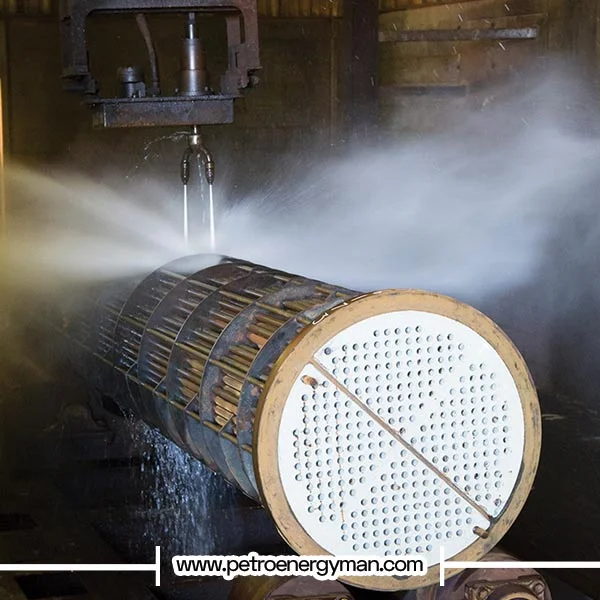
Heat exchanger cleaning is not merely a routine maintenance task; it serves as a vital lifeline for efficiency in heavy industries. When layers of deposits, coke, or biofilms settle on heat transfer surfaces, your exchanger, instead of facilitating processes, becomes a barrier to energy flow, resulting in fuel wastage and increased stress on pumps.In this article, we take a specialized look at common fouling challenges and examine four advanced cleaning methods, including hydrojetting, pyrolysis, chemical cleaning, and ultrasonic technology. If you are looking to optimize the performance of thermal systems and reduce operational costs, this comprehensive guide will help you select the most precise cleaning strategy.
Importance of Heat Exchanger Cleaning
Heat exchanger cleaning is essential because the accumulation of deposits in tubes and components such as boilers, evaporators, and desuperheaters reduces heat transfer efficiency and increases pressure drop. In severe cases, it can even lead to complete blockage. This issue not only decreases the performance of the exchanger but also increases energy consumption for pumping the fluid and raises operational costs.
Professional cleaning, especially using high-pressure methods like hydroblasting, allows for rapid and complete removal of deposits while minimizing unexpected downtime. Regular and periodic cleaning helps maintain optimal exchanger performance and enhances the overall system output.
Careful planning of cleaning schedules and selecting the appropriate method are key to extending equipment lifespan and ensuring stable operation across various industries. This approach also prevents unplanned shutdowns. Moreover, research into deposit-resistant materials and advanced monitoring methods enables better management of fouling and reduces operational costs.
Methods of Heat Exchanger Cleaning
Choosing the appropriate method for cleaning heat exchangers depends on the type of deposits, the material of the exchanger, and operational constraints. Below, we explain the four main cleaning methods used for heat exchangers.
High-Pressure Hydrojet or Hydroblasting
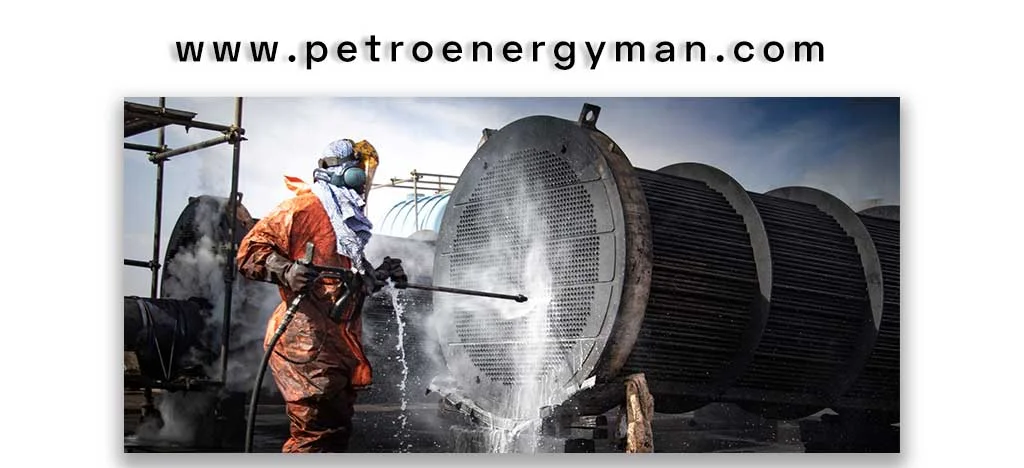
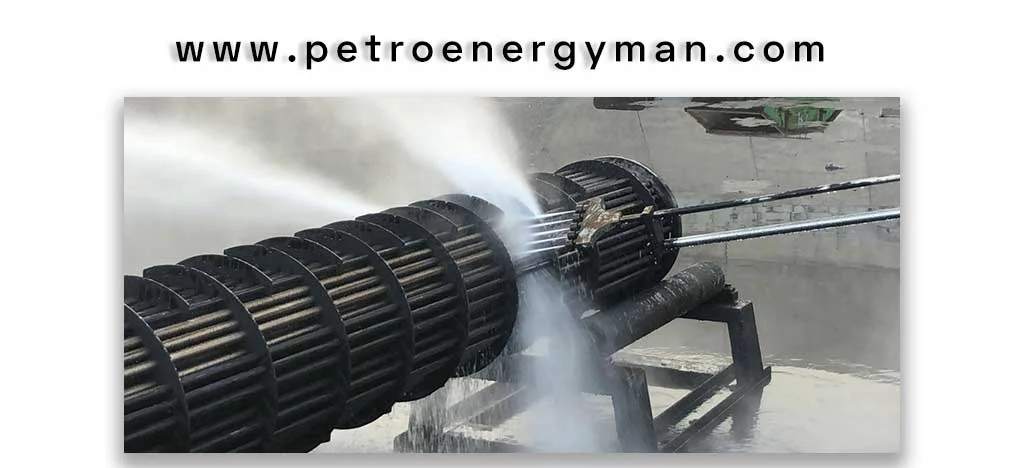
Hydrojetting, also known as industrial water jetting or hydroblasting, is an effective and chemical-free method for removing stubborn deposits and heavy contamination from heat exchanger surfaces. This process involves directing a high-pressure water stream, typically in the range of 10,000 to 40,000 psi, onto the interior of tubes or exchanger plates.
Heat exchanger cleaning with high-pressure water allows the removal of deposits such as metal oxides, sludge, oil residues, and tough organic compounds without damaging the base metal. Key advantages of this method include exceptional cleaning power for adhesive and resilient fouling. Additionally, using water as the cleaning agent is more environmentally friendly and produces minimal chemical waste. The speed of the operation also helps reduce equipment downtime. Engineers and operators must carefully adjust water pressure and select the proper nozzle to prevent erosion or damage to the tube walls.
Thermal Cleaning
Thermal cleaning, sometimes referred to as pyrolysis, is a method used to remove organic deposits from heat exchangers by applying high temperatures. In this process, the heat exchanger or its components are placed in furnaces or specialized equipment capable of providing controlled heat. The high temperature breaks down the structure of organic deposits and oxidizes them, converting them into ash that can be easily removed from the exchanger surface through mechanical cleaning or air blowing.
Heat exchanger cleaning is particularly effective for deposits primarily composed of organic materials, such as polymers, heavy carbon, or coke. Key advantages include a significant reduction in deposit volume to ash and the ability to clean multiple components simultaneously. However, the main challenge in thermal cleaning is precise temperature control to prevent damage to the mechanical properties and metal structure of the exchanger. Excessive heat can cause warping, deformation, or reduced material strength. Therefore, for manufacturers and operators, understanding the material composition and maximum allowable temperature of the exchanger is essential before selecting this method. This technique is less effective for inorganic deposits, such as mineral scales or salts, and may require complementary cleaning methods.
Chemical Cleaning
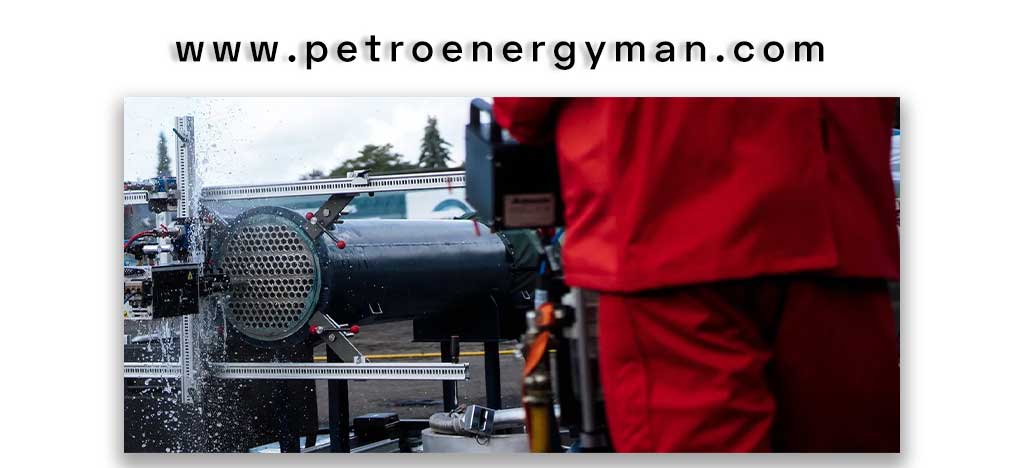
Chemical cleaning is one of the most common methods for removing a wide range of deposits from heat exchangers. This process involves circulating specific chemical solutions—such as acids, alkalis, detergents, or chelating agents—through the fluid pathways of the exchanger. The chemicals react with the deposits, dissolving them or suspending them for easy flushing.
Industrial heat exchanger cleaning provides a major advantage in its ability to remove complex fouling, including mineral, organic, and biological deposits. This method can reach all areas of the exchanger, even locations with limited physical access, ensuring thorough and comprehensive cleaning. Laboratory tests have confirmed that chemical cleaning can completely eliminate mineral scales and restore heat transfer efficiency to its original state.
However, selecting the correct chemical and formulation based on the type of deposit and material of the exchanger is critical. Using the wrong chemical can result in corrosion or irreversible damage to the equipment. Additionally, proper handling and disposal of chemical waste must comply with environmental regulations to ensure safety and sustainability.
Ultrasonic Cleaning
Industrial heat exchanger cleaning can also be achieved using ultrasonic technology, an advanced and non-contact method that employs high-frequency sound waves (typically between 20 and 400 kHz) to remove deposits and contaminants from heat exchanger surfaces.
The ultrasonic waves propagate through a cleaning liquid—usually water or a mild detergent solution—and create millions of tiny bubbles. These bubbles rapidly expand and collapse, forming a cavitation process that effectively cleans the heat exchanger surface.
The primary advantage of ultrasonic cleaning is its ability to provide deep and uniform cleaning of components. This method is highly effective even on parts with complex shapes, narrow gaps, and areas that are difficult to access. This capability is due to the penetration of ultrasonic waves deep into the materials.
This technique is non-invasive and non-abrasive, so it does not damage sensitive exchanger surfaces. Additionally, its high efficiency reduces the need for strong chemicals, often achieving effective cleaning with just water or mild solutions. This makes ultrasonic cleaning a more environmentally friendly option.
Challenges of Heat Exchanger Cleaning
Limited access to internal surfaces, the hardness and variety of deposits, and the need to minimize production downtime are among the most important factors that engineers must consider to ensure equipment operates in a stable, efficient, and safe manner.
By identifying these challenges, industrial operators can implement tailored cleaning strategies that not only maintain optimal system performance but also reduce operational costs and extend equipment lifespan.
Limited Access and Complex Geometry
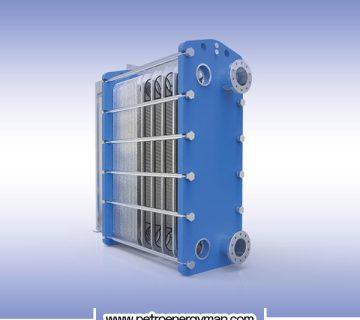
Heat exchanger cleaning is particularly challenging because heat exchangers come in various types, including plate, spiral, and finned-tube models. Many of these designs, especially modern ones optimized for maximum heat transfer efficiency, feature complex flow paths, small-diameter tubes, tightly packed fins, or closely spaced plates. These intricate geometries make physical cleaning methods, such as scraping or using handheld water or air jets, very difficult or even impossible. Deposits accumulate in corners, gaps, and dead zones, where direct access is almost impossible. This limited access increases the need for non-invasive or chemical cleaning methods capable of reaching all internal surfaces of the exchanger.
Hardness of Deposits
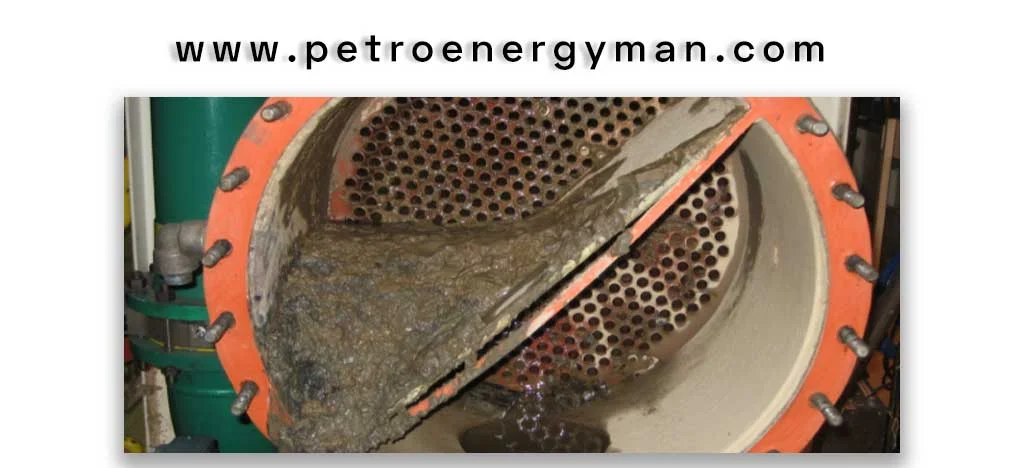
Heat exchanger cleaning is particularly challenging due to the variety and nature of deposits. Mineral deposits, such as carbonates (e.g., calcium carbonate), silica, metal oxides (e.g., iron oxide), and sulfates, can be extremely hard and adhesive to exchanger walls. Removing them usually requires strong acids or high-pressure mechanical methods.
Organic deposits include greases, oils, polymers, and coke, which form sticky layers and make cleaning difficult. These deposits are typically removed using alkaline solutions or specific solvents.
Biological fouling (biofouling) involves the growth of microorganisms, algae, and bacteria that create biofilm layers, increasing thermal resistance and reducing fluid flow. These types of deposits are removed using biocides and antimicrobial agents.
Selecting the appropriate cleaning method depends heavily on the type and severity of the fouling. Some deposits are so resistant that even strong chemical solutions cannot remove them entirely, and using inappropriate substances can damage the exchanger. Therefore, accurately identifying deposit types and applying suitable cleaning techniques is key to maintaining optimal performance and extending the lifespan of heat exchangers
Extended Production Downtime
Heat exchanger cleaning—whether performed chemically or mechanically—often requires a full or partial production shutdown. Such interruptions reduce output because the plant cannot operate at full capacity or may need to stop the production line entirely. Additionally, labor costs for maintenance personnel, cleaning operations, and material expenses—including chemicals, water, energy, and waste disposal—also increase.
The cleaning process itself is time-consuming; the time needed for cooling, washing, inspection, and reassembling the exchanger can be substantial. For this reason, the development of online cleaning and Clean-in-Place (CIP) methods has become increasingly important. These techniques are designed to minimize downtime while maintaining exchanger performance without a full shutdown. In many industries, optimizing cleaning schedules and managing energy across heat exchanger networks are key strategies to reduce costs and improve operational efficiency.
Conclusion
Modern heat exchanger cleaning represents the intersection of energy cost reduction and equipment longevity. This review highlights how high-pressure hydrojetting addresses tough deposits, thermal cleaning targets organic compounds, chemical processes reach hard-to-access areas, and ultrasonic systems protect sensitive components—each playing a vital role in industrial maintenance.
The significance lies in the fact that well-maintained heat exchangers, by reducing pressure drop and restoring heat transfer efficiency, directly ensure production stability and prevent unexpected downtime, which can impose substantial costs on industrial operations.

No comment